Leaders are like cathedrals: when it is dark outside, they shine only if they are illuminated from inside.
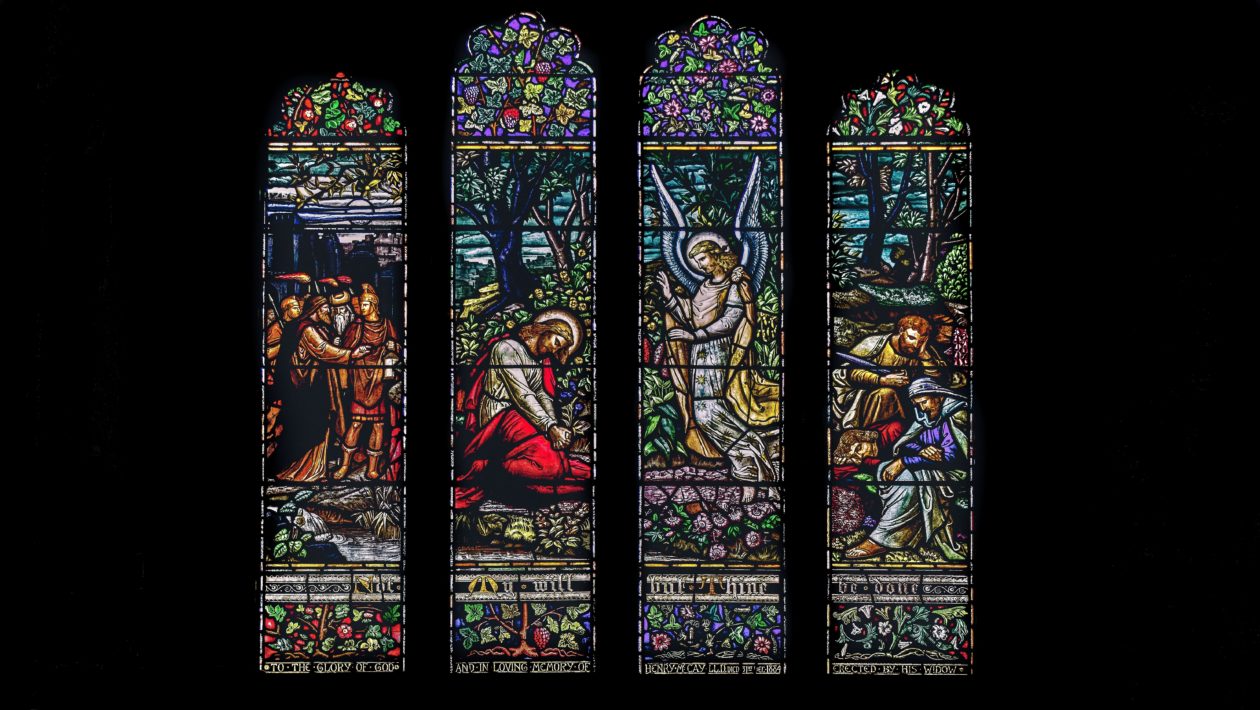
One evening, the electricity went out for a few minutes. What a difference! That colossal edifice, known to have been the tallest building in the world from 1647 to 1874, abruptly became invisible. Progressively, however, hundreds of candles were lit inside the cathedral. From the outside, it seemed like a miracle! Gradually, pedestrians on the square were able to admire the majestic stained-glass windows illuminated by the gentle glow of the candlelight, radiating in the dark night.
When there is light inside, leaders remain visible and influential in a distinct way, no matter how dark it is outside. Spiritual leaders, particularly, tend to shine in a unique way when they face ostensibly insurmountable challenges. Proverbs 4:18 tells us that “the path of the just is like the shining sun, that shines ever brighter unto the perfect day” (NKJV).
The church and its community are desperately looking for spiritual leaders—those committed to its mission with a clear vision, indomitable courage, fertile imagination, and heightened emotional intelligence, ready to take them to the next level. These leaders are able to articulate and communicate a captivating vision of a better future that will benefit all stakeholders. They have the potential to generate enthusiasm for causes that can unite and energize people. They are able to lead by example and reset an organizations’ climate; they are called to have a multiplier effect that generates new leaders. They are willing to pull together a diverse team of leaders who will thrive in an organizational culture that is open to new ideas, accepts changes, and fosters spiritual, physical, and intellectual growth. They are baptized by the Holy Spirit and transformed by God’s grace to bear the fruit of the Spirit: “love, joy, peace, longsuffering, kindness, goodness, faithfulness, gentleness, self-control” (Gal. 5:22–23, NKJV).
That philosophy of leadership is discernible in this special issue of the Journal of Applied Christian Leadership. The theme that faith in God—rooted in Scriptures—is a powerful force is woven into each of our articles. Such. Scripture-based faith inspires, motivates, and provides ethical guidelines for spiritual leaders to take initiative, articulate a vision, generate support, raise money, and make a difference while building a wider community of spiritual leaders to support their projects.
Our Biblical Reflection comes from Jeffrey Belcher, founding pastor of Church of the Harbor in Baltimore, MD. Belcher offers organizational leadership principles based on the creation account in Genesis and reflects on “Jesus, the express image of God.” Humans have the responsibility to “intentionally seek to exercise influence in others’ lives” through effective communication and the development of relationships.
For the Interview section, the reader will have a glimpse into the personal universe of two former university presidents as they reflect on their own tenures: Pardon Mwansa, of Rusangu Adventist University in Zambia, Africa (2015 to 2022), and Gordon Bietz, of Southern Adventist University in Tennessee (1997 to 2016). These captivating interviews give the reader insight into the thinking behind the decisions, choices, and actions of these two leaders. You will be surprised by the humility of both men, as well as their emphasis on the importance of spirituality and personal devotion. In spite of their noteworthy accomplishments, both former university presidents wish they could have done more and better for their universities.
In our first Feature Article, Jay Brand shares a personal story of an unanticipated turn in his professional journey. He was roughly awakened to the reality that, at times, in the “real world,” conciseness, straightforwardness, vivid images, and expressive metaphors are more effective than scholarly theories, abstract concepts, and “technical accuracy.” Further, he expounds on the contrast between a mechanistic view of corporations focused on profit and smooth operation and a psycho-social approach that fosters a sense of purpose, encourages trust, and tempers the eagerness for profit with concerns for the welfare of the people generating that profit.
Sung Kwon brings us our second Feature Article, which explores the transformational leadership development model through the social change model. Emphasizing the importance of personal and spiritual development, he calls leaders to be responsible, collaborative, value-based, transformative, and inclusive. They should be “better at being human” and see in all people the potential of becoming leaders and “difference-makers for the kingdom of God.”
In our first Leadership Lived article, the reader will be captivated by the passion, energy, creativity, and management skills of a Christian woman, Christiane Theiss. Theiss experienced a personal encounter with God during a mission trip to the Philippines. Following this encounter and motivated by faith, she engaged in an astounding adventure, leading a team of 300 volunteers to successfully deliver relief and medical care to thousands of Syrian refugees in Western Turkey and the Greek island of Lesbos (2015–2018).
In our second Leadership Lived article, Pastor Kari Gibbs Prouty deplores the negative impact of the impostor syndrome, which is engendered by a “faulty understanding of what leadership includes and who a true leader is.” That syndrome could contribute to extinguishing the inner flame and lead to social isolation and burnout. A better option is for leaders to be good followers, constantly relying on other people’s healthy feedback to help them identify areas of needed growth.
Our Dialogue article is brought to us by Petr Činčala and Sharon Aka. In this article, the authors examine findings from the 2017–2018 Global Church Member Survey, specifically those related to how current Adventists view the law and God’s love. Činčala and Aka reflect on the emotional and spiritual damage caused by a legalistic approach to the Christian experience. They suggest that “internalizing lies can have devastating effects on believers.” Seemingly quite prevalent in some faith communities, legalism pushes leaders to be judgmental, makes new believers feel inadequate, and often fosters deleterious “feelings such as guilt, shame, and fear.” The authors also question the rapid church growth in areas where a legalistic approach to the Gospel is ubiquitous; they suggest that further research is needed to confirm if legalism is truly a factor that fosters an increase in membership.
This issue closes with book reviews from Andrews University Leadership Department faculty, staff, and students, as well as dissertation notices from our own Leadership Department students.
Jesus’s promise is certain: “I am the light of the world. Whoever follows me will never walk in darkness, but will have the light of life” (John 8:12, NIV). When leaders’ hearts are illuminated from the inside by Jesus’s love, they will actively and creatively reflect His transforming and empowering light in their communities, their organizations, and their countries.
Bordes Henry Saturné, PhD, currently serves as chair of the Andrews University School of Leadership in Berrien Springs, MI. An ordained minister, he served in New York as a church pastor, school principal, and conference superintendent of schools. He was vice president of Atlantic Union College in Massachusetts and vice president of Asia-Pacific International University in Thailand. He is a New York state certified school district administrator. His research interests focus on leadership development and the challenges and opportunities unique to faith-based educational institutions. He may be reached at bordes@andrews.edu.